Top Crop Management Strategies for Specialty Farming
- Marcello Castillo
- Jul 14
- 4 min read
Specialty farming is a unique sector of agriculture that focuses on the cultivation of specific crops, often with higher value and niche markets. As the demand for organic produce, exotic fruits, and specialty herbs continues to rise, farmers must adopt effective crop management strategies to ensure sustainability and profitability. In this blog post, we will explore the top crop management strategies that can help specialty farmers thrive in a competitive market.
Understanding Specialty Farming
Specialty farming encompasses a wide range of agricultural practices focused on specific crops that are not typically grown in large-scale operations. These can include:
Herbs and Spices: Basil, cilantro, and saffron are examples of high-value crops.
Exotic Fruits: Dragon fruit, lychee, and passion fruit are gaining popularity.
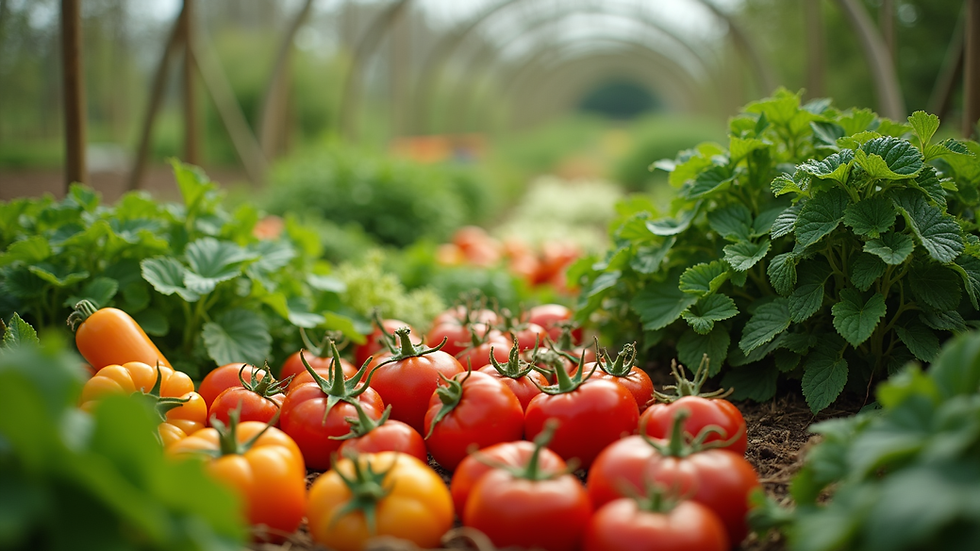
Organic Vegetables: Specialty varieties of tomatoes, peppers, and greens are in demand.
Farmers in this sector often face unique challenges, including market fluctuations, pest management, and maintaining soil health. Therefore, implementing effective crop management strategies is crucial for success.
Crop Rotation and Diversity
One of the most effective strategies in crop management is crop rotation. This practice involves alternating the types of crops grown in a particular area from season to season. Benefits of crop rotation include:
Pest Control: Rotating crops disrupts the life cycles of pests and diseases that thrive on specific plants.
Soil Health: Different crops have varying nutrient requirements, which helps maintain soil fertility.
Increased Yield: Diverse planting can lead to higher overall yields and reduce the risk of crop failure.
For example, a farmer growing tomatoes one season might switch to beans the next. Beans can fix nitrogen in the soil, benefiting the subsequent tomato crop.
Integrated Pest Management (IPM)
Pest management is a critical aspect of crop management in specialty farming. Integrated Pest Management (IPM) is a holistic approach that combines various strategies to control pests effectively while minimizing environmental impact. Key components of IPM include:
Monitoring: Regularly checking for pest populations and damage.
Cultural Practices: Implementing practices such as crop rotation and intercropping to deter pests.
Biological Control: Utilizing natural predators or parasites to manage pest populations.
Chemical Control: Applying pesticides only when necessary and in a targeted manner.
By adopting IPM, specialty farmers can reduce reliance on chemical pesticides, leading to healthier crops and a safer environment.
Soil Management and Fertility
Healthy soil is the foundation of successful specialty farming. Implementing effective soil management practices can significantly enhance crop yields. Here are some strategies to consider:
Soil Testing: Regular soil tests help determine nutrient levels and pH, guiding fertilization decisions.
Organic Matter Addition: Incorporating compost or cover crops improves soil structure and fertility.
Mulching: Applying organic mulch helps retain moisture, suppress weeds, and improve soil health.
For instance, a farmer growing specialty herbs might use compost to enrich the soil, leading to more flavorful and robust plants.
Water Management
Water is a vital resource in farming, and effective water management is essential for specialty crops. Strategies include:
Drip Irrigation: This method delivers water directly to the plant roots, reducing waste and promoting healthy growth.
Rainwater Harvesting: Collecting and storing rainwater can supplement irrigation needs during dry spells.
Soil Moisture Monitoring: Using sensors to monitor soil moisture levels helps optimize irrigation schedules.
By implementing these water management techniques, farmers can conserve water while ensuring their crops receive adequate hydration.
Sustainable Practices
Sustainability is becoming increasingly important in agriculture. Specialty farmers can adopt sustainable practices to enhance their operations and appeal to environmentally conscious consumers. Some strategies include:
Organic Farming: Growing crops without synthetic fertilizers or pesticides can attract a premium market.
Permaculture: Designing farming systems that mimic natural ecosystems can enhance biodiversity and resilience.
Agroforestry: Integrating trees into crop systems can provide shade, improve soil health, and create additional income streams.
For example, a farmer might plant fruit trees alongside vegetable crops, benefiting from the shade and additional produce.
Technology in Crop Management
Advancements in technology are transforming the way specialty farmers manage their crops. Some innovative tools and techniques include:
Precision Agriculture: Utilizing GPS and data analytics to optimize planting, fertilization, and irrigation.
Drones: Monitoring crop health and assessing field conditions from the air.
Mobile Apps: Using applications for pest identification, weather tracking, and farm management.
By embracing technology, specialty farmers can make informed decisions that enhance productivity and efficiency.
Marketing and Consumer Engagement
Effective marketing strategies are essential for specialty farmers to reach their target audience. Here are some approaches to consider:
Farmers' Markets: Selling directly to consumers allows farmers to build relationships and receive immediate feedback.
Online Sales: Establishing an online presence can expand market reach and attract new customers.
Community Supported Agriculture (CSA): Offering subscription services for fresh produce can create a loyal customer base.
For instance, a farmer specializing in organic vegetables might set up a CSA program, providing subscribers with a weekly box of fresh produce.
Conclusion
Specialty farming presents unique opportunities and challenges. By implementing effective crop management strategies such as crop rotation, integrated pest management, and sustainable practices, farmers can enhance their productivity and profitability. Embracing technology and engaging with consumers through innovative marketing strategies can further support their success in this competitive market.
As the demand for specialty crops continues to grow, now is the time for farmers to adopt these strategies and thrive in the evolving agricultural landscape.


Comments